Menu
Y-DNA Haplogroup • Paternal Lineage

NO1 [K2A1

Y-DNA Haplogroup NO1 [K2A1

~40,000 years ago
Southeast Asia
1 subclades
Scroll to explore
Chapter I

The Story

The journey of Y-DNA haplogroup NO1 [K2A1

Origins and Evolution

Y-DNA haplogroup NO1 (K2a1) sits at a critical branching point in the Y-chromosome phylogeny as the immediate ancestor of haplogroups N and O. Based on the placement of NO1 within the K2a subclade and molecular clock estimates for the NO split, NO1 most likely arose during the Upper Paleolithic (~40 kya) in mainland Southeast Asia or nearby parts of southern East Asia. From this ancestral node, two major daughter lineages emerged: N, which later expanded into northern Eurasia and Siberia, and O, which diversified extensively across East and Southeast Asia.

Because NO1 represents an intermediate internal node rather than a broadly surviving terminal lineage, basal NO1 chromosomes are relatively rare in modern populations; most modern paternal lineages descended from NO1 are found within downstream N and O subclades. Ancient DNA and phylogeographic patterns of descendant clades support a model of an initial diversification in southern East Asia with subsequent northward movements and adaptation to temperate and boreal environments.

Subclades (if applicable)

As an internal ancestral node, NO1 does not have numerous widely recognized terminal subclades that survive broadly outside its daughter clades. The most relevant substructure to discuss is the divergence into:

  • Haplogroup N — a lineage that expanded northward into Siberia, northeastern Europe, and parts of Central Asia, associated today with Uralic-speaking and several Siberian groups.
  • Haplogroup O — a lineage that diversified across East and Southeast Asia and is frequent among Sino-Tibetan, Austroasiatic, Tai–Kadai, Austronesian, and many other populations of East and Southeast Asia.

Research continues to refine internal branch structure of NO1 and to identify whether any rare basal NO1 branches persist in isolated populations or ancient DNA samples.

Geographical Distribution

Directly observed basal NO1 chromosomes are uncommon in modern sample sets; the geographic signal of NO1 is therefore mainly inferred from the distributions of its descendant clades. The pattern indicates:

  • An origin and early persistence in Southeast Asia and adjacent southern East Asia.
  • Subsequent diversification and spread northward into East Asia, then into Siberia and northern Eurasia (via downstream N), and broad east and southeast expansions (via downstream O).
  • Low-frequency survival of basal or unresolved NO1 lineages may occur in some East/Southeast Asian and neighboring populations, but most male lineages in these regions belong to derived N or O subclades.

Historical and Cultural Significance

NO1 itself predates archaeologically defined cultures; its significance is primarily as the ancestral node that underpins major demographic processes in Holocene and late Pleistocene Eurasia. The split of NO1 into N and O set the stage for:

  • The later peopling of northern Eurasia and the formation of modern Siberian and some northern European paternal pools (N-associated expansions, including links with Uralic-speaking groups).
  • The demographic dominance of O-lineages among East and Southeast Asian agriculturalists and maritime populations, contributing to the genetic makeup of present-day Chinese, Southeast Asians, Austronesians and related groups.

NO1 is therefore relevant to studies of Upper Paleolithic population structure in East Asia and to models of later Neolithic and Bronze Age population movements where descendant clades played primary roles.

Conclusion
As an early intermediate branch of the K2a lineage, NO1 (K2a1) is essential for understanding the deep phylogenetic split that produced the widespread N and O haplogroups. While basal NO1 chromosomes are rare in modern samples, the geographic and temporal pattern of its descendants indicates a Southeast Asian origin around 40 kya and subsequent northward and eastward radiations that shaped much of male-line diversity across Eurasia. Ongoing ancient DNA work and deeper Y-chromosome sequencing continue to refine the timing and routes connected to NO1 and its descendant clades.

Key Points

  • Origins and Evolution
  • Subclades (if applicable)
  • Geographical Distribution
  • Historical and Cultural Significance
  • Conclusion

Chapter II

Tree & Relationships

Phylogenetic context and subclades

Evolution Path

This haplogroup's evolutionary journey from its earliest ancestor to the present.

Steps Haplogroup Age Estimate Archaeology Era Time Passed Immediate Descendants Tested Modern Descendants Ancient Connections
1 NO1 [K2A1 Current ~40,000 years ago 🦴 Paleolithic 40,000 years 1 0 0
Chapter III

Where in the World

Geographic distribution and modern presence

Place of Origin

Southeast Asia

Modern Distribution

The populations where Y-DNA haplogroup NO1 is found include:

  1. East Asians (e.g., Chinese, Japanese, Koreans)
  2. Southeast Asians (e.g., Vietnamese, Indonesians, Filipinos)
  3. Central Asians (in lower frequencies)
  4. Some populations in Siberia and northern Asia
  5. Northern Europeans (indirectly, through descendant haplogroup N)
  6. Some populations in South Asia (at low frequencies)

Regional Presence

Southeast Asia Low
East Asia Low
Central Asia Low
Northern Asia / Siberia Low
Northern Europe Low
South Asia Low
CHAPTER IV

When in Time

Your haplogroup in the context of human history

~50k years ago

Upper Paleolithic

Advanced tool-making, art, and cultural explosion
~40k years ago

Haplogroup NO1 [K2A1

Your Y-DNA haplogroup emerged in Southeast Asia

Southeast Asia
~20k years ago

Last Glacial Maximum

Peak of the last ice age, populations isolated

~10k years ago

Neolithic Revolution

Agriculture begins, settled communities form

~5k years ago

Bronze Age

Metalworking, writing, and early civilizations

~3k years ago

Iron Age
Iron tools, expanded trade networks
~2k years ago

Classical Antiquity

Greek and Roman civilizations flourish

Present

Present Day

Modern era

Your Haplogroup
Historical Era
Chapter IV-B

Linked Cultures

Ancient cultures associated with Y-DNA haplogroup NO1 [K2A1

Cultural Heritage

These ancient cultures have been linked to haplogroup NO1 [K2A1 based on matching ancient DNA samples from archaeological excavations. The presence of this haplogroup in these cultures provides insights into the migrations and population movements of populations carrying this haplogroup.

Early Buryat Kuenga Culture Lena River Culture Lokomotiv Culture Shamanka Culture
Culture assignments are based on archaeological context of ancient DNA samples and may represent regional associations during specific time periods.
Chapter V

Sample Catalog

Top 50 ancient DNA samples directly related to haplogroup NO1 [K2A1 or parent clades

50 / 50 samples
Portrait Sample Country Era Date Culture Y-DNA Match
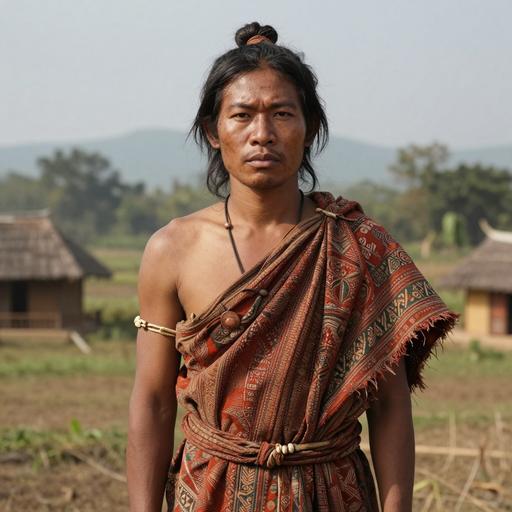
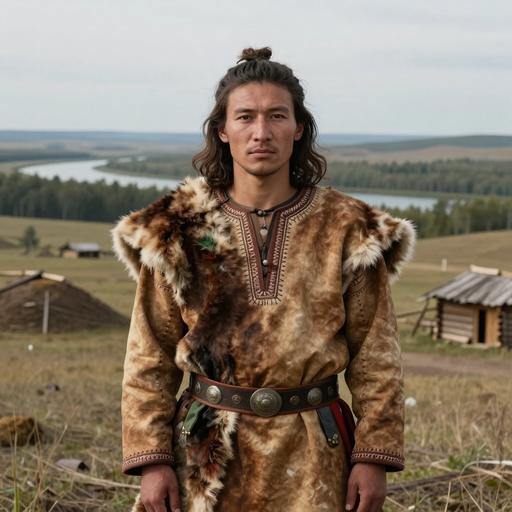
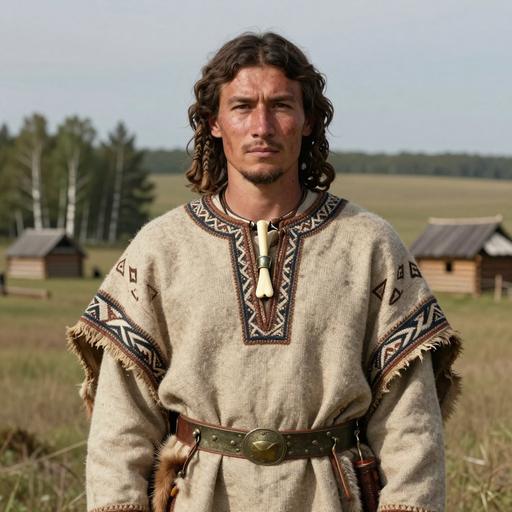
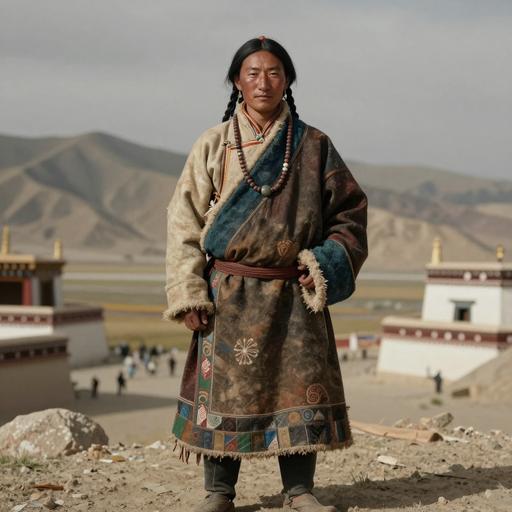
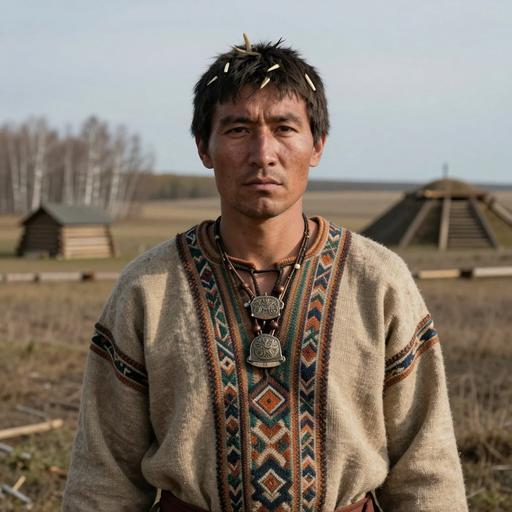
Portrait of ancient individual I15156 from Taiwan, dated 1 CE - 800 CE
I15156
Taiwan Iron Age Taiwan 1 CE - 800 CE Taiwanese Iron NO-M214 Direct
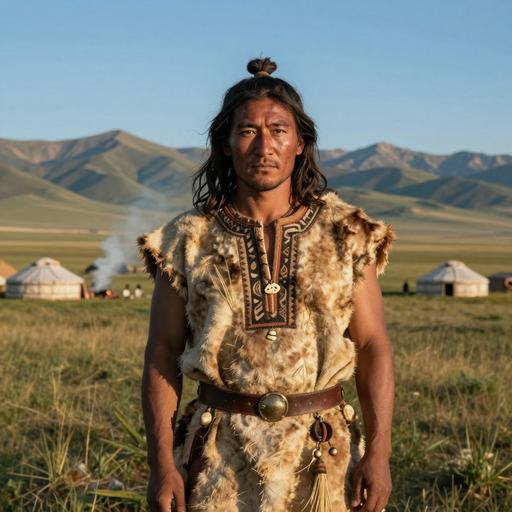
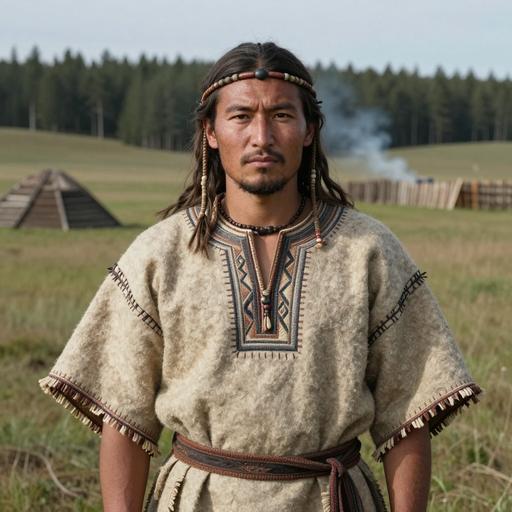
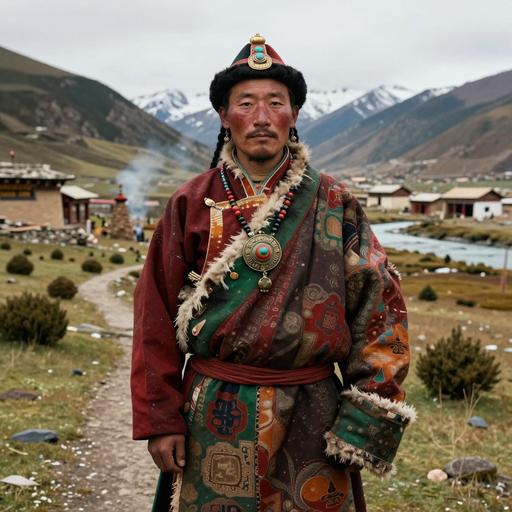
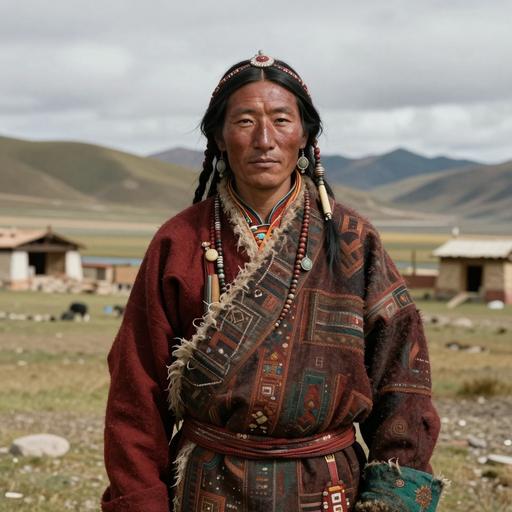
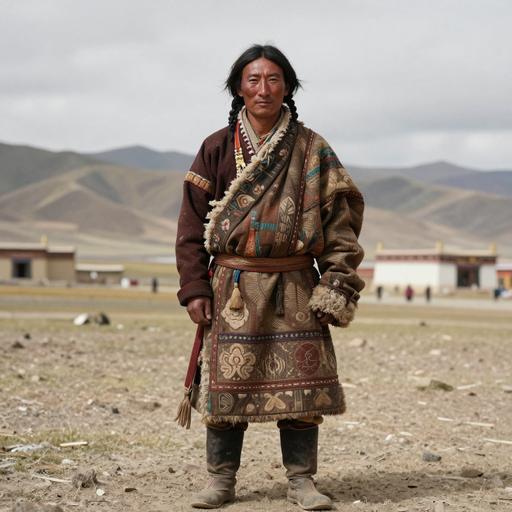
Portrait of ancient individual KHO007 from Mongolia, dated 26 CE - 125 CE
KHO007
Mongolia Middle to Late Bronze Age to Xiongnu to Late Medieval Khovd, Mongolia 26 CE - 125 CE Khovd Long-Term N-Tat Direct
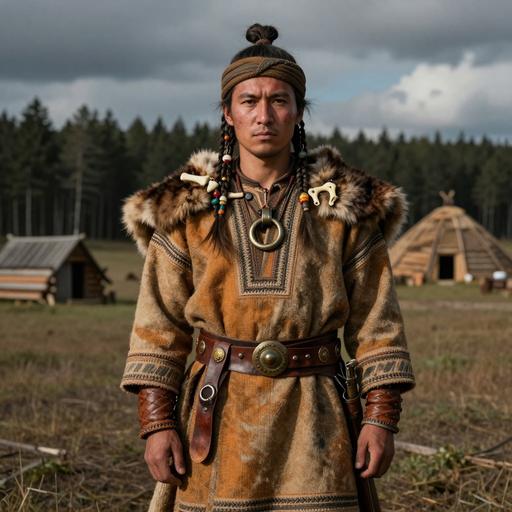
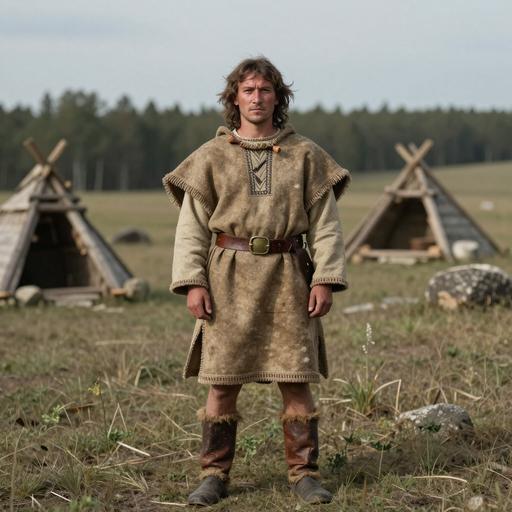
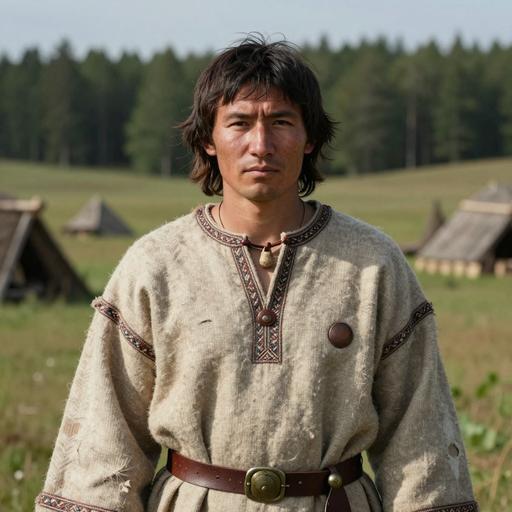
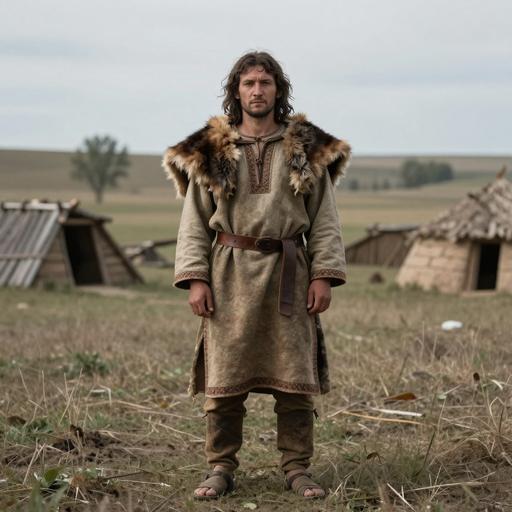
Portrait of ancient individual DA171 from Lithuania, dated 50 CE - 650 CE
DA171
Lithuania Late Antiquity Lithuania 50 CE - 650 CE Lithuanian Late Antiquity N-L1025 Direct
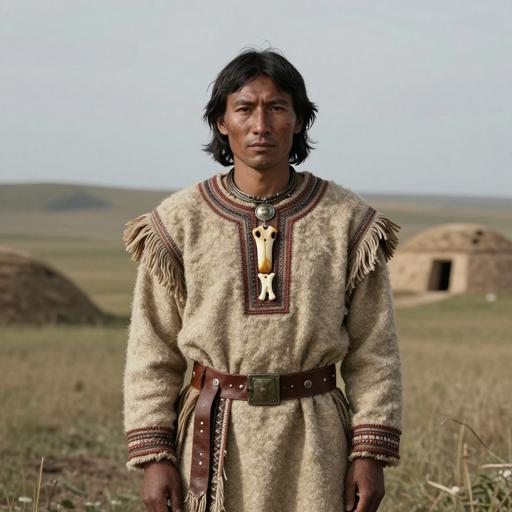
Portrait of ancient individual DA171 from Lithuania, dated 50 CE - 650 CE
DA171
Lithuania Late Iron Age Baltic Region 50 CE - 650 CE N-L1025 Direct
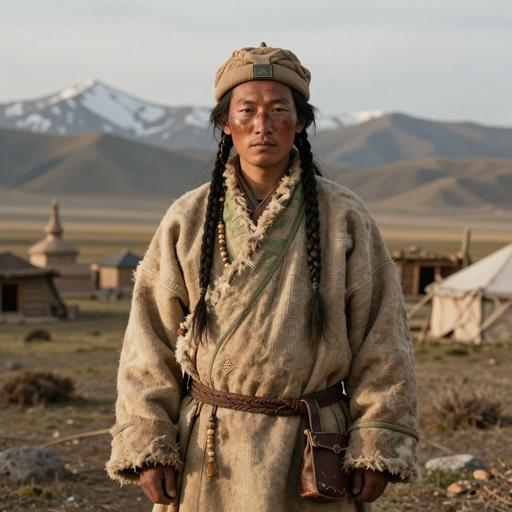
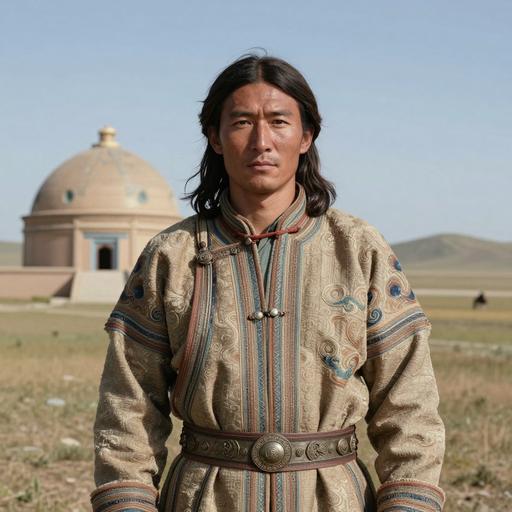
Portrait of ancient individual YUR001 from Mongolia, dated 52 BCE - 62 CE
YUR001
Mongolia Xiongnu Period Selenge, Mongolia 52 BCE - 62 CE Xiongnu Culture N-Y125475 Direct
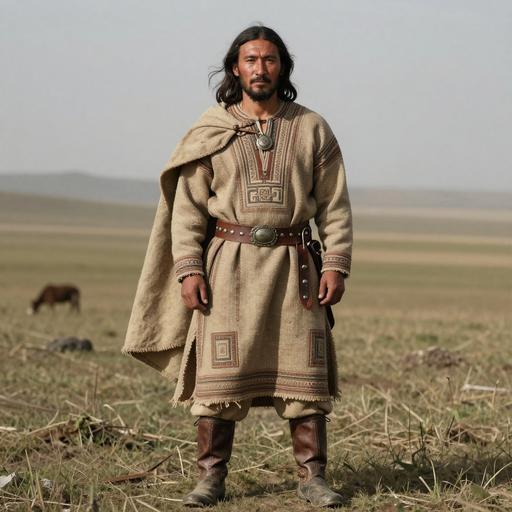
Portrait of ancient individual IMA005 from Russia, dated 169 BCE - 44 BCE
IMA005
Russia Xiongnu Period Buryatia, Russia 169 BCE - 44 BCE Xiongnu Buryat N-P89 Direct
Portrait of ancient individual SON001 from Mongolia, dated 200 BCE - 100 CE
SON001
Mongolia Xiongnu Period Tuv, Mongolia 200 BCE - 100 CE Xiongnu Tuv N-CTS6380 Direct
Portrait of ancient individual BGD004 from Russia, dated 200 BCE - 1 BCE
BGD004
Russia Iron Age Sargat Culture, Russia 200 BCE - 1 BCE Sargat Culture N-L839 Direct
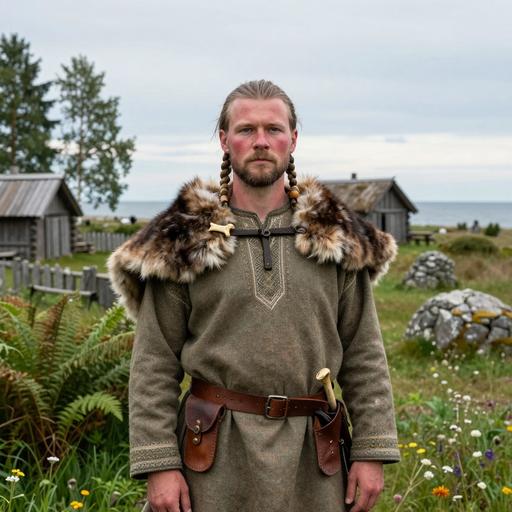
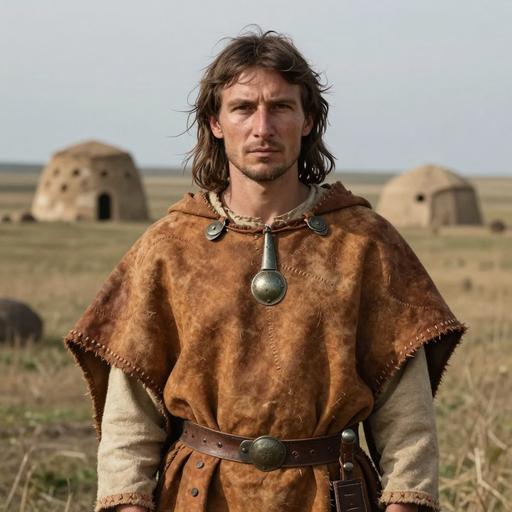
Portrait of ancient individual VK579 from Sweden, dated 200 CE - 400 CE
VK579
Sweden Iron Age Sweden 200 CE - 400 CE Nordic Iron Age N1a1a1a1a Direct
Portrait of ancient individual VK579 from Sweden, dated 200 CE - 400 CE
VK579
Sweden Iron Age Nordic Region 200 CE - 400 CE N-L550 Direct
Chapter VI

Carrier Distribution Map

Geographic distribution of 100 ancient DNA samples carrying haplogroup NO1 [K2A1

Time Period Filter
All Time Periods
Showing all samples
Each marker represents an ancient individual
Chapter VII

Temporal Distribution

Distribution of carriers across archaeological periods

Chapter VIII

Geographic Distribution

Distribution of carriers by country of origin

Chapter IX

Country × Era Distribution

Cross-tabulation of carrier countries and archaeological periods

Data

Data & Provenance

Source information and data quality

Last Updated 2026-02-16
Confidence Score 50/100
Coverage Low
Data Source

We use the latest phylotree for YDNA haplogroup classification and data.